Washington Good Samaritan law protects the general public during some activities even outside declared emergencies. Some aspects of the law are being reconsidered:
The current Washington State Good Samaritan Law covers only medical aid given in times of a disaster. There is no provision for the general population to have Good Samaritan protection should they want to help their neighbors in the response to a significant event outside of a clear medical context.
In 2021, a new bill has been sponsored to add an addition to the existing law and is currently moving through the House. The requested addition extends the existing law to include non-medical aid given in times of disaster.
Important note: this would be beneficial in response to all hazards, including flooding, landslides, and wildfires, and is not specific only to an earthquake scenario.
Key Points:
- Emergency Managers throughout the State of Washington work to help their residents prepare for disaster and build community resilience as their resources will be overwhelmed in a major disaster.
- The Good Samaritan Law as written currently covers only medical assistance. In a major disaster, if neighbors are going to help neighbors, as is promoted by emergency management across the state, then the state should extend the law and its liability coverage to those volunteers.
- CERT programs, medical and first responders, as well other emergency worker volunteer teams will NOT be affected by this change, and will provide those teams with more willing and protected people who will help them in a disaster.
- There is precedent by other States for this addition to the Good Samaritan Law.
To read the bill (HB1209) and track its progress: Washington State Legislature
To write a testimony in support: https://app.leg.wa.gov/pbc/bill/1209
West Seattle Be Prepared's Cindi Barker is a local resource for more information on this.
Read More

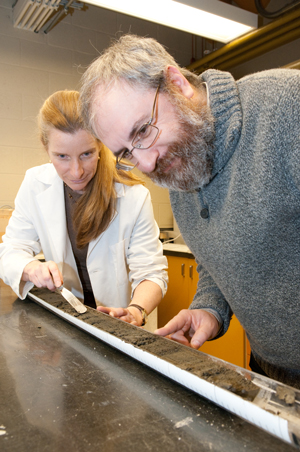 Understanding the size and frequency of large earthquakes along the Pacific coast of North America is of great importance, not just to scientists, but also to government planners and the general public. The only way to predict the frequency and intensity of the ground motion expected from large and giant "megathrust " earthquakes along Canada's west coast is to analyze the geologic record.